CA
CA  ES
ES  EN
EN  FR
FR 
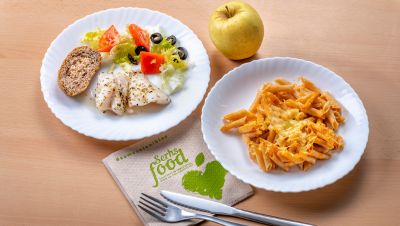
SERHS FOOD INCORPORATES ORGANIC, LOCAL AND FRESH PRODUCE INTO THE FOOD SERVICE FOR SCHOOLS IN BAGES.
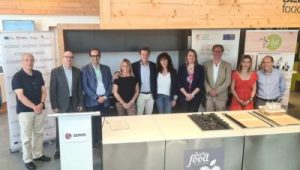
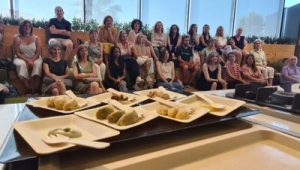
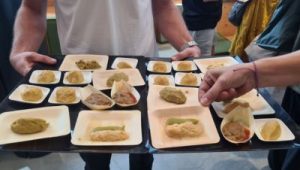
Following the parameters established in the new public tender for this 2023-2024 school year, SERHS Food, as the awardee, has incorporated a varied number of organic, local, seasonal, fresh and integrated products for the preparation of school menus of the centers managed by the Consell Comarcal del Bages. In total, 33 schools in the region are served and about 2000 children a day with a variety of more than 10 different types of diets.
A series of environmental, social and technical characteristics are highlighted which are significant in each area of application and which aim to promote healthy, seasonal and local food, as well as the development of new educational habits, a responsible social vision and the avoidance of food waste, among other considerations.
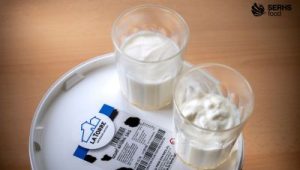
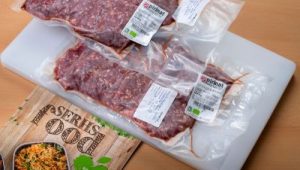
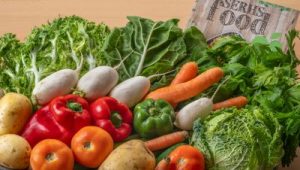
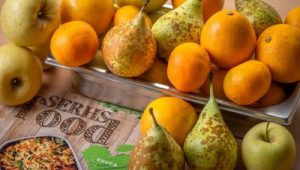
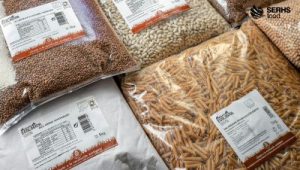
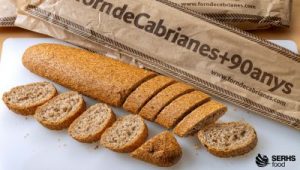
These aspects include: organic pulses, wholemeal and organic pasta, and organically produced meat, specifically from Ripollès; fresh fruit grown according to integrated production criteria; bread made daily locally in the Cabrianes oven, as well as dairy products from the Granja de la Torre, vegetables, potatoes and lettuce from Bages. And, above all, the incorporation of fresh fish once a week in the menus is significant. At the same time, recycled products are used for paper (napkins) and bags.
SERHS Food Sustainability Strategy
The fundamental pillars of the company are food safety, nutritional quality and sustainability, placing the individual satisfaction of each person at the centre. The Catalan company, originally from Maresme, has more than 40 years of experience in the sector and a team of 2,000 employees. In terms of sustainability, the SERHS Food Cuina d’Alt Rendiment in Mataró has positioned itself as a benchmark in the collective catering sector. It is the most sustainable option in the preparation of cooked dishes compared to a conventional kitchen, based on 8 environmental indicators analysed by the INÈDIT consultancy firm, of recognised prestige in the sector. For more than a year now, it has had a new self-consumption photovoltaic station with 435 solar panels on the roof of the building with a power of 200 kWp, which enables it to avoid the emission of 61 tonnes of CO2 each year. The entire CAR installation has been designed and equipped according to criteria of minimising environmental impact and energy consumption. SERHS Food has also recently collaborated with the Guide for the prevention and reduction of food waste in the commercial catering sector and central kitchens of the Generalitat de Catalunya (2023).
▪ The project started in 2019 with an evaluation of the students’ ability to eat and drink, which revealed that the majority suffered from dysphagia (severe swallowing difficulty). Currently, 93% show a notable improvement in their nutrition and hydration thanks to the intervention.
▪ This initiative continues with the signing of an agreement with the CONFEDERACIÓN ASPACE and FEPPCCAT to carry out training and research activities linked to the project.
On June 23, 2023, the Consorcio Sanitario del Maresme (CSdM), together with the El Maresme Foundation and the Furega Foundation, has carried out a pioneering program to improve the nutritional and hydration state of the students at L’Arboç Special Education School (Mataró). This program has been developed between the years 2019 and 2023, during which the following has been conducted:
- An assessment of swallowing, nutrition, and oral hygiene.
- Training intervention for teaching staff and families.
- Adaptation of diets to ensure safe and balanced nutrition for the students.
This project is an example of collaboration between the healthcare field and the team of a special education school, such as L’Arboç School. The result is an improvement in the quality of life for the students, which can be replicated in any other center for individuals with neurological conditions.
The L’Arboç project began with an evaluation study involving a total of 33 students, which revealed that they had dysphagia (severe swallowing difficulty). Due to the complexity of managing this disorder, most of them suffered from malnutrition and inadequate hydration.
“100% of the students showed significant alterations in their food and solid intake, as the majority have significant neurological injuries and delays in psychomotor development, making it difficult for them to suck, chew, or swallow. This results in the risk of choking if they do not follow an adapted diet and makes it much more difficult to maintain proper nutrition,” says Pere Clavé, a world specialist in dysphagia and director of research at CSdM.
In order to improve this clinical situation, an intervention plan was designed to provide modified texture diets and liquids with different viscosity levels suitable for the students’ needs. Currently, 93% of the students at L’Arboç School complete their modified texture diet daily and have doubled their water intake during their time at the educational center.
Multidisciplinary Team: The working group consists of educational and healthcare personnel from the school, the Digestive Motility team at CSdM, along with the FUREGA Foundation, Nestlé Health Science, and SERHS Food. In addition, the intervention is linked to the European project PECT Mataró-Maresme: Innovation Ecosystem for Caring Cities and the PASCE Program (Evolution of the program for attending students with special health needs in educational centers).
Raimon Bagó, CEO of SERHS Food, explains that “our goal is to pursue the individual satisfaction of each person within the collective. And in this case, the need for personalized and adapted diets becomes even more evident. We have made available our team of dietitians, quality and operational staff, as well as the equipment of the High-Performance Kitchen to advance in this project, which has become a reality.”
ASPACE and FEPPCCAT Agreement Linked to the Project
The positive results of the project led to the signing of an agreement this year with the CONFEDERACIÓN ASPACE (an organization composed of 85 entities dedicated to individuals with cerebral palsy, with over 20,000 members, 5,300 professionals, and 230 direct care centers) and FEPCCAT (Cerebral Palsy and Multiple Disability Federation of Catalonia, composed of 14 entities) to carry out training and research activities linked to the project.
Rafael Lledó, the manager of CSdM, says, “We are very proud of this agreement, which is the result of our commitment to translating our research into projects that benefit communities in the Maresme region. In this case, it aims to improve the management of dysphagia in the majority of students at the school. It is a great satisfaction that this initiative, born out of our corporate social responsibility policy, extends to the whole country and becomes part of the programs of Catsalut to care for students with special health needs.”
Albert Vidal, CEO of the El Maresme Foundation, highlights that “having experts and world references in dysphagia and the care of people with cerebral palsy and high support needs as partners guarantees the success of this initiative. We are pleased that science also focuses on a minority group that deserves nutritional quality just like anyone else. We also believe that the agreement between services with different experiences represents a step forward in the care we can provide to our students.”
According to Manuela Muro, president of CONFEDERACIÓN ASPACE, it is crucial to “work alongside a group of professionals who are experts in swallowing from the perspective of people with high support needs. Mataró Hospital will provide important support for the study of people with cerebral palsy and feeding problems, offering solutions for hydration.”
Mercè Batlle, president of FEPCCAT, believes that an agreement like this “sets the path for the importance of different entities joining efforts and resources to improve awareness, training, and research related to the nutrition of people with cerebral palsy and multiple disabilities. The inclusion of society’s awareness as an additional objective also demonstrates a broader and more committed vision to the cause, which undoubtedly can have a greater impact on society as a whole.”